
If you’ve walked into a room and noticed a damp, musty odor that won’t go away, your home may be trying to tell you something. A professional residential mold inspection can help determine whether that smell is simply trapped humidity — or a sign of a deeper issue.
In many cases, persistent odors are one of the earliest signs that hidden moisture — and possibly mold — is present behind walls, under flooring, or inside your HVAC system. In humid climates like Orange County and throughout Central Florida, this is especially common.
Why Does Mold Smell Musty?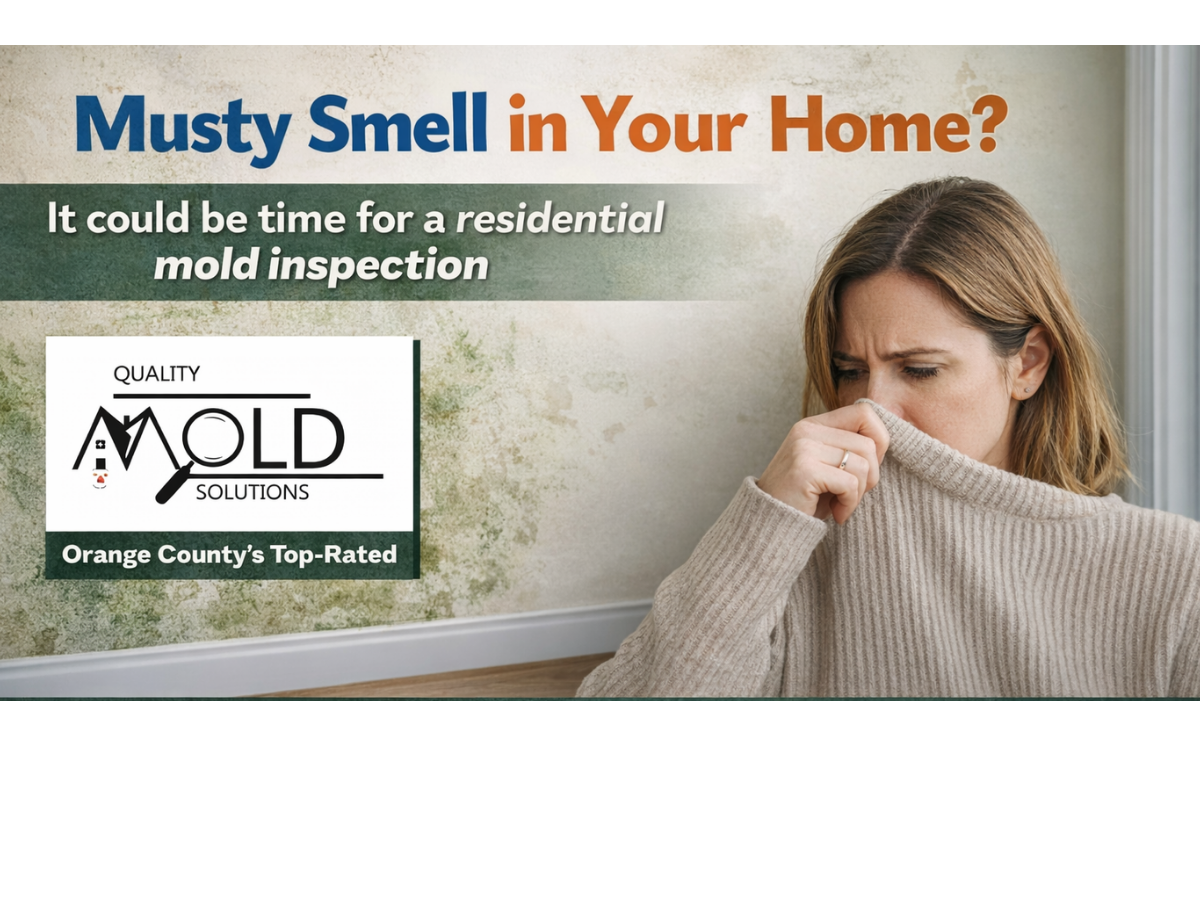
Mold releases microbial volatile organic compounds (MVOCs) as it grows. These compounds create that earthy, damp, “old house” smell many homeowners recognize.
The challenge?
By the time you smell mold, it’s often already established in a hidden area.
Common locations include:
-
Behind drywall after minor leaks
-
Under laminate or wood flooring
-
Inside wall cavities after roof or plumbing issues
-
Around HVAC air handlers and ductwork
-
Behind cabinets or vanities
You may never see visible mold growth — but your nose picks it up.
Why Orange County Homes Are Especially Vulnerable
High humidity levels, heavy seasonal rain, and frequent afternoon storms create ideal conditions for moisture buildup. Even small plumbing leaks or condensation from air conditioning systems can introduce enough moisture for mold to begin developing within 24–48 hours.
Many homeowners assume that if walls “look dry,” the problem is gone. Unfortunately, moisture can remain trapped inside building materials long after surfaces feel dry to the touch.
That’s where professional testing becomes important.
What Happens During a Residential Mold Inspection?
A thorough residential mold inspection is more than a quick visual check. Qualified professional mold testing will:
-
Evaluate areas of concern and moisture sources
-
Use moisture meters and thermal imaging when needed
-
Collect air samples to measure mold spore levels
-
Take surface samples if visible growth is present
-
Send samples to an accredited laboratory for analysis
Most importantly, you should receive a clear, detailed report explaining:
-
What types of mold (if any) were detected
-
Whether levels are elevated compared to normal indoor environments
-
What steps, if any, are recommended
The goal is clarity — not fear.
When Should You Schedule an Inspection?
You should strongly consider a residential mold inspection if you notice:
-
A persistent musty smell
-
Recent water leaks or flooding
-
Allergy or respiratory symptoms that improve when you leave home
-
Visible staining or discoloration
-
Or, if you had previous mold remediation and you want post remediation verification
Early testing can prevent small moisture issues from becoming expensive structural problems.

