
Mold Vs Fungus: What’s The Real Difference And Why It Matters
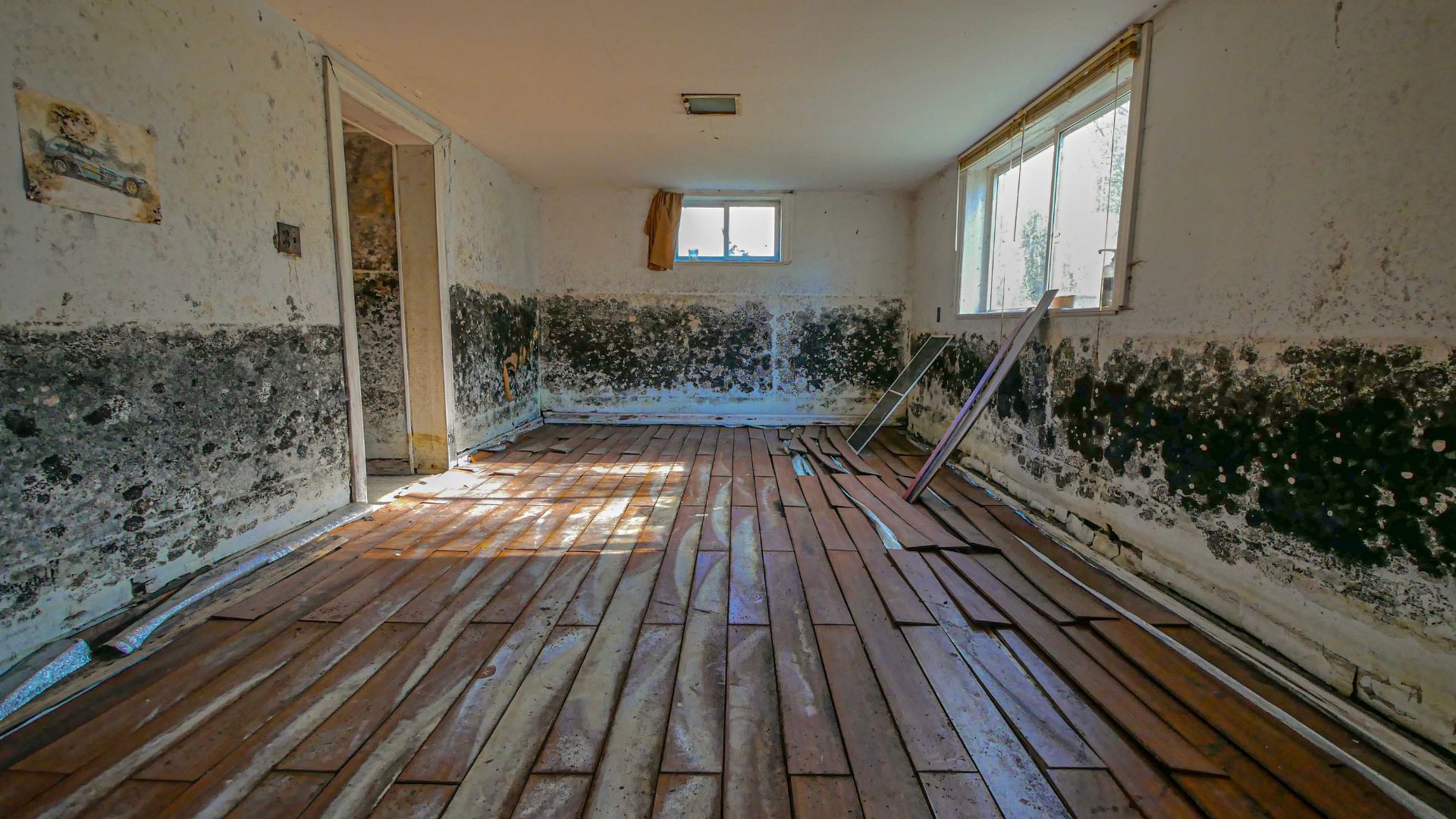
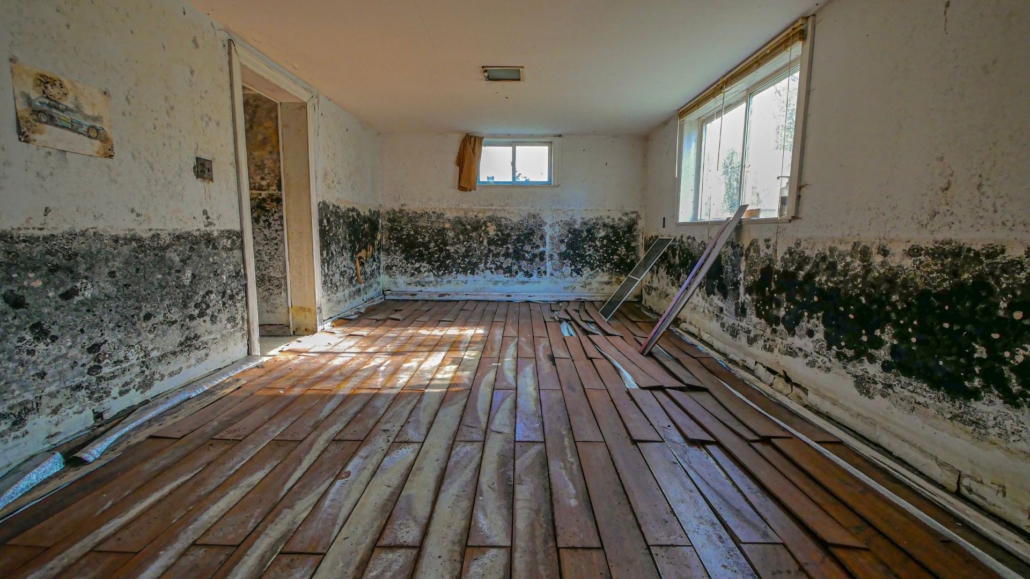
If you have ever spotted something fuzzy growing on your bathroom wall or smelled something musty after a leak, you have probably wondered what exactly you are dealing with. Is it mold? Is it fungus? Are they the same thing? These are questions that come up all the time, and the answers matter more than most people realize, especially when it comes to your health and home.
Let us break this down in plain language so you can actually understand what is going on inside your walls, your air, and your property.
Understanding the Fungi Kingdom: The Big Picture
Fungus is a broad category. The fungi kingdom is an enormous and diverse group of organisms that includes everything from the mushrooms on your pizza to the yeast used in bread and beer, to the mold creeping along a damp ceiling. Fungi include thousands of known species, and scientists are still discovering more.
What makes a fungus a fungus? These organisms are neither plants nor animals. They are their own distinct group of organisms, though some, like yeast, are unicellular. Fungi play a critical role in nature by helping break down organic matter and returning nutrients to the soil, making them essential to ecosystems and even compost systems.
Molds are a group within this kingdom. So when someone asks about the difference between mold and fungus, the short answer is: mold is a type of fungus, but not all fungus is mold.
Mold Vs Fungus: What’s the Difference?
Understanding the mold vs fungus distinction starts with taxonomy. Molds are fungi, and so are mushrooms, yeast, mildew, and organisms like Penicillium and Aspergillus. Fungi can be found in soil, on food, on clothing, on plants, and inside your home.
Mold refers to multicellular fungi that grow in filaments called hyphae.
These hyphae form a web-like structure called mycelium, which is what you often see as that fuzzy or discolored patch on a surface. Mold often reproduces by releasing microscopic spores that travel through the air and land on new surfaces.
Yeast, on the other hand, is unicellular and reproduces differently. Mushrooms are fungi that produce a sporocarp, the recognizable mushroom cap, as part of their reproductive cycle.
Each type of fungi has its own structure and behavior.
What is the key difference here? Mold is one subset of the fungi kingdom. Other types of fungal organisms like mushrooms or yeast used in fermentation do not behave like indoor mold growth at all.
What Makes Mold Different From Other Fungi?
Mold is one of the few types of fungal growth that thrives in damp indoor environments. It thrives in conditions with high humidity and organic material to feed on, such as drywall, wood, or fabric. While certain fungi like Aspergillus oryzae are used in food production, think sake, shōchū, or koji, and Alexander Fleming famously derived the antibiotic penicillin from Penicillium rubens, the molds found inside homes are rarely beneficial.
Mold in buildings reproduces asexually by releasing spores into the air. Some fungi reproduce both sexually and asexually depending on conditions. Molds are more likely to reproduce asexually, forming structures called conidia, which are tiny spores that spread through airborne movement.
The United States Environmental Protection Agency recognizes mold in your home as a serious indoor air quality concern. Indoor mold growth can trigger allergic reactions, worsen asthma, and in cases involving toxic molds that produce mycotoxins, cause more serious health issues. Mycotoxin exposure is a legitimate concern when mold contamination is left unchecked.
Why This Matters for Your Health and Home
You might be thinking, if molds are fungi and fungi play an important role in nature, why should I worry? The answer is context. Beneficial fungi breaking down lignin in a forest ecosystem are very different from pathogenic mold making you sick inside the home where your family lives.
Certain fungi are harmless or even helpful. Others are pathogenic and capable of causing fungal infections or triggering immune responses. Black mold, often associated with Stachybotrys, is among the most concerning types of fungal contamination found indoors.
Slime mold and similar organisms are often mistaken for true mold, but they belong to entirely different biological groups.
Understanding the differences between mold and other fungi also helps you recognize warning signs early. Learn more about the hidden health risks of mold in your home before small issues become expensive ones.
Mold or Fungi: What You Might See at Home
Not all fungal growth looks the same, and that is what makes it tricky. Mold can appear green, black, white, or orange depending on the species. Mildew is another type of fungi that is often powdery and white or gray. Knowing the differences between mold and mildew can help you assess how serious the situation might be.
Fungi are often visible to the naked eye once a colony has established itself, but the spores themselves are microscopic. Mold spores are not visible to the naked eye, which is why air quality testing is so important. If you are curious about the symptoms and triggers of mold allergies, it is worth understanding how mold and fungi affect indoor air quality before symptoms appear.
Guide to Mold Testing and Professional Help
Knowing the difference between fungus and mold is helpful, but knowing whether you have a problem is where professional mold assessment comes in. A mold inspection involves more than just looking around. Trained assessors use moisture meters, air sampling, and surface testing to determine whether mold issues exist and how serious the contamination may be.
Property owners should not rely on guesswork. If you want to tell the difference between mold types or determine whether what you are seeing is harmful, mold testing by a qualified expert provides real answers. Explore common causes and types of indoor mold in Florida to understand what types of mold are most likely to appear in our climate.
It is also worth clearing up any misinformation. Review common mold myths and misconceptions before making assumptions about what you are dealing with.
Understanding the mold vs fungus relationship is an important part of being a responsible homeowner. Fungi can survive in many conditions, but mold thrives in damp, humid environments like those common in Central Florida. When remediation services are needed, having proper documentation and a remediation protocol ensures the work is done correctly and verifiable.
Conclusion
Understanding the difference between mold and fungus is not just academic. It has real implications for your health, your property, and your peace of mind. Molds are fungi, but not all fungi are mold, and that distinction shapes how you respond to what you find in your home.
If you suspect fungal growth or want clarity on what is inside your walls or air, Quality Mold Solutions is here to help with honest, science-backed mold testing and assessment throughout Central Florida. Reach out today and get real answers.

