
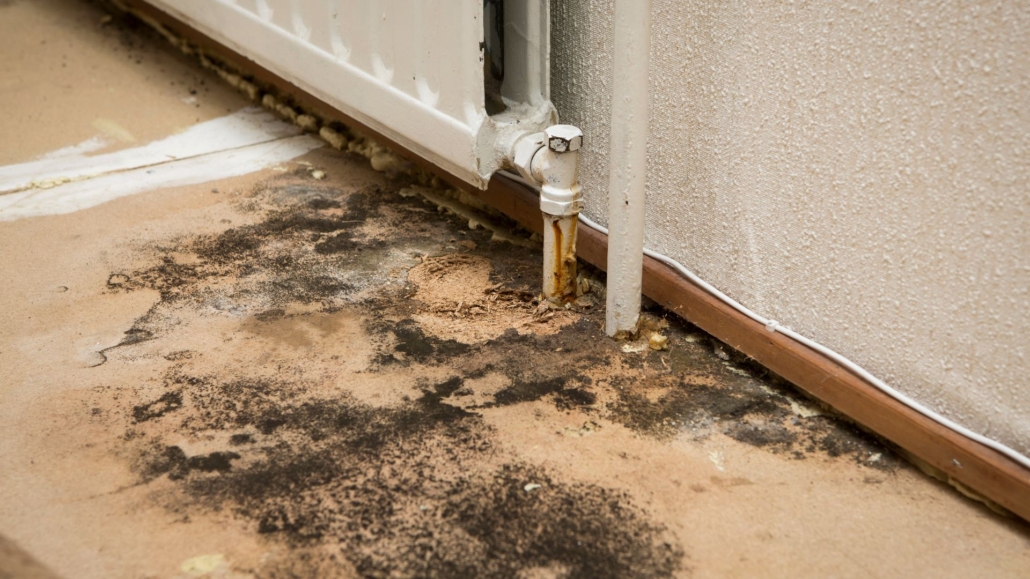
Black Mold vs Regular Mold: Key Differences and What They Mean for Your Home
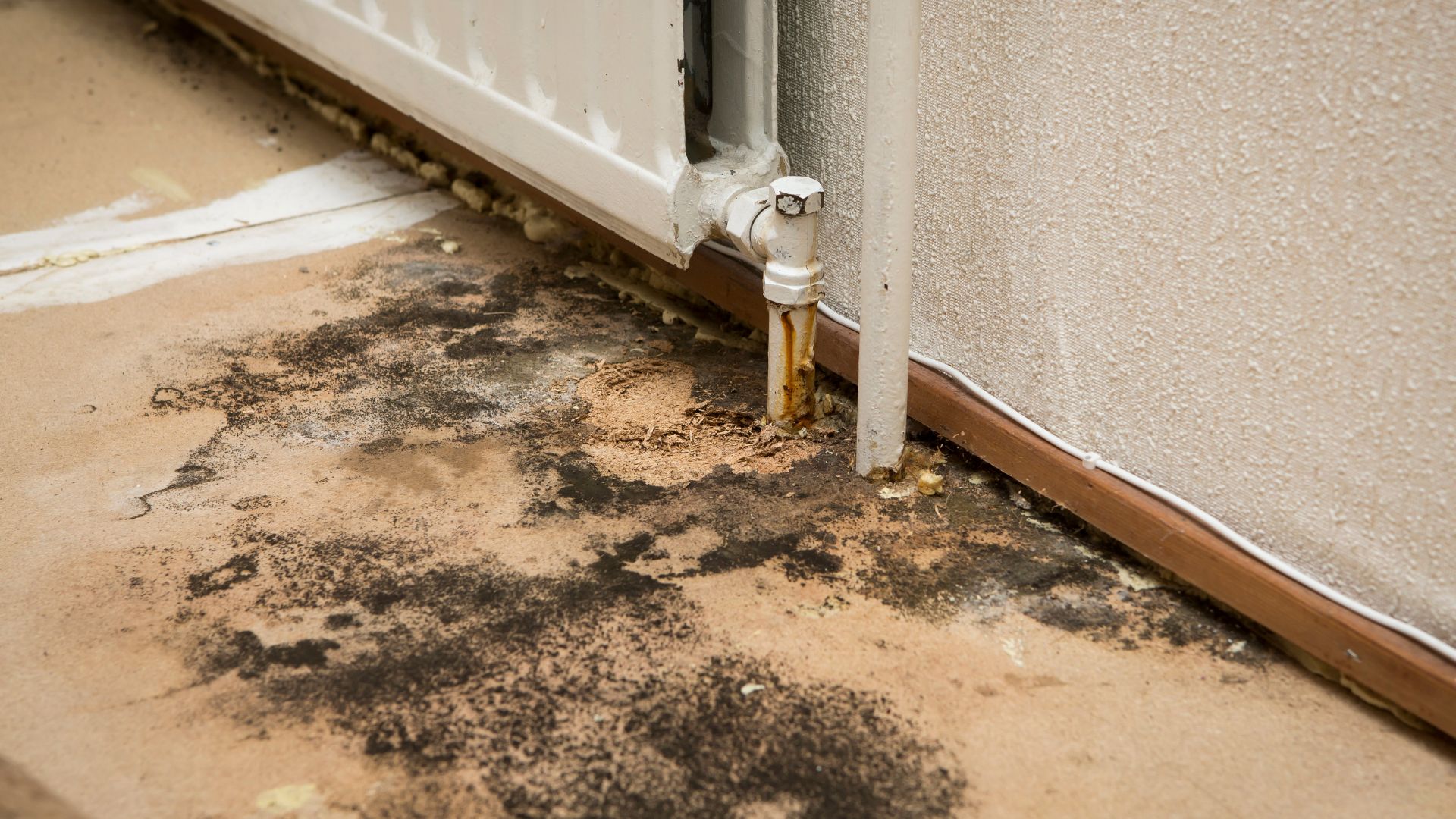
You notice a dark patch on your bathroom ceiling or a musty odor creeping out of a closet. Is it dangerous? Is it black mold? Should you be worried? These are questions a lot of homeowners ask, and the answers are not always straightforward. Understanding the difference between black mold and regular mold is the first step toward making smart decisions about your home and your health.
What Is Mold, Exactly?
Mold is a type of fungus that grows in multicellular filaments called hyphae. It reproduces through tiny mold spores that float through the air and land on surfaces, where they can grow under the right conditions. Mold is everywhere in nature, and some level of it is completely normal. The problem starts when mold grows indoors and begins affecting your air quality and health.
There are thousands of different types of mold found in nature, and hundreds of species of mold can show up inside homes. Most of them are more of a nuisance than a serious threat, but a few carry more significant health risks.
If you want a deeper look at the hidden dangers of mold in your home, understanding what type of mold you are dealing with is essential.
What Is Regular Mold?
Regular mold is a broad term for the many common mold species that grow inside homes without producing significant toxins. These include Cladosporium, Penicillium, and Aspergillus, among others. Each is a different form of mold with its own appearance, preferred conditions, and potential health effects.
Regular mold is often green, white, gray, or even black in color, which is part of what makes identification confusing. Mold looks different depending on its species, the surface it grows on, and how mature the colony is. To better understand what different mold colors indicate, color alone should never be used to diagnose the type or danger level.
Compared to black mold, regular mold is generally considered less toxic, but that does not mean it is harmless. Mold may cause allergic reactions, respiratory irritation, and discomfort, especially for people who are sensitive or immunocompromised.
What Is Black Mold?
When most people refer to black mold, they are talking about Stachybotrys chartarum, a specific species of mold that is typically black or dark green in color. Toxic black mold is well-known because it produces mycotoxins, specifically trichothecene mycotoxins, which can have serious effects on human health.
Black mold is considered especially dangerous because of these mycotoxins. Black mold produces compounds that can interfere with the body’s immune system, irritate the lungs, and over time, cause more serious health problems. Unlike regular mold, the presence of black mold warrants a more urgent response.
Black mold thrives in areas with chronic moisture, such as flooded basements, wet drywall, water-damaged wood, and crawl spaces. Black mold can grow on cellulose-rich materials like paper, wood, and ceiling tiles when there is sustained water damage or high humidity.
Black Mold vs Regular Mold: The Core Differences
Understanding the difference between black mold and other mold types can help you respond appropriately when you spot something suspicious in your home.
Appearance
Black mold tends to appear as a slimy, dark green or black coating on surfaces. Regular mold, depending on the species, can range from white and fuzzy to gray, green, or even orange. Mold or mildew is sometimes confused with black mold simply because of its color, but knowing what you are looking for matters. For a detailed breakdown of mold vs mildew, it helps to know that mildew is typically flat and powdery, while mold often appears raised and textured.
Mycotoxin Production
The most significant difference between black mold and regular mold is mycotoxin production.
Toxic mold like Stachybotrys produces mycotoxins that can be inhaled or absorbed through skin or mucous membranes. Regular mold generally does not produce mycotoxins at the same level, though some common mold species like certain strains of Aspergillus can also produce them under specific conditions.
Black mold produces these compounds in greater concentrations, which is why exposure to black mold is treated more seriously by health professionals.
Health Risks
Mold exposure of any kind can affect your health, but the health risk escalates significantly with black mold. With regular mold, people commonly experience symptoms like sneezing, a runny nose, eye irritation, cough, or skin rash, especially those with mold allergies or asthma.
Black mold exposure is associated with more severe health symptoms. Black mold can cause respiratory disease, chronic fatigue, headache, memory problems, and in cases of prolonged exposure, neurological effects. Black mold can lead to serious complications for people with immunodeficiency, lung disease, or other underlying conditions.
Where Each Type Grows
Regular mold grows quickly in bathrooms, kitchens, basements, and attics. It’s mold that tends to appear wherever there is moisture, whether from plumbing leaks, condensation, or poor ventilation. Regular mold can grow on food, fabric, drywall, and soil.
Black mold growth is typically slower, but black mold thrives in conditions that involve prolonged water damage. Black mold can grow behind walls, under flooring, and in crawl spaces where water intrusion has gone undetected. The cause of mold growth for both types is fundamentally the same: moisture combined with an organic surface and warm temperatures.
How to Identify Mold in Your Home
Trying to identify mold by sight alone is unreliable. A mold problem is best confirmed through professional mold testing, not guesswork. A certified mold inspector can collect air samples and surface samples, send them to a lab, and give you a clear picture of what species of mold are present and at what levels in your home.
At Quality Mold Solutions, that is exactly how we approach every inspection. We use moisture meters, thermal imaging, and lab analysis to go beyond what the eye can see. Learning about the common causes of indoor mold growth in Florida is also a helpful context for homeowners throughout Central Florida.
Health Risks of Black Mold and Regular Mold
Both black mold and regular mold carry health risks, but they differ in severity. Indoor mold of any type can affect air quality and contribute to mold allergies, respiratory irritation, and infections in vulnerable individuals. Mold can cause reactions even in people who did not previously consider themselves sensitive.
Black mold may cause more significant health problems because of the mycotoxins it releases.
These include:
- Chronic cough and throat irritation
- Severe fatigue and weakness
- Persistent headache
- Nose bleeds or irritation
- Neurological symptoms such as memory loss
- Fungal infection in immunocompromised individuals
Mold may cause milder symptoms in most people, but no mold growth in homes should be ignored entirely.
Mold Prevention Tips for Central Florida Homeowners
Central Florida’s heat and humidity create near-ideal conditions for mold to grow. Mold thrives in warm, damp environments, which makes mold prevention an ongoing priority here.
To help prevent mold growth and stop mold before it starts:
- Control indoor humidity using a dehumidifier and keep it below 60 percent
- Fix plumbing leaks and water intrusion immediately
- Ensure proper ventilation in bathrooms, attics, and crawl spaces
- Inspect your roof and ceiling after heavy rain or flooding
- Check basement and crawl space areas regularly for moisture
These mold prevention tips are particularly important after a flood or significant water event.
Every hour of delay is an opportunity for mold to grow.
What to Do If You Find Mold in Your Home
If you find mold or suspect it, do not panic, but do not ignore it either. Attempting to remove mold without knowing the mold type or extent of growth can spread mold spores throughout your home and make the problem worse.
For small surface mold issues, you may be able to remove mold with appropriate cleaners.
However, if there is any chance you are dealing with black mold, or if the mold covers a significant area, you should contact professionals who specialize in mold assessment.
Mold remediation services exist for a reason. Professional mold remediation ensures the mold is removed safely, the source is addressed, and the space is properly cleared before you re-occupy it. Professional mold remediation experts also provide post-remediation verification to confirm the job was done correctly.
At Quality Mold Solutions, we specialize in mold assessment and mold testing, not selling remediation directly, which means our reports are unbiased and focused on your actual needs.
We specialize in mold removal protocols and can connect you with trusted contractors who handle black mold remediation the right way.
Conclusion
Black mold and regular mold are not the same, and understanding the difference matters for your home and your health. Both can cause problems, but dealing with black mold requires a more serious, systematic response. If you have noticed signs of mold in your home, a professional mold inspection is the smartest first step. Quality Mold Solutions serves homeowners across Central Florida with science-backed assessments, clear reporting, and honest guidance. Reach out today and get the answers you need without the guesswork.

