
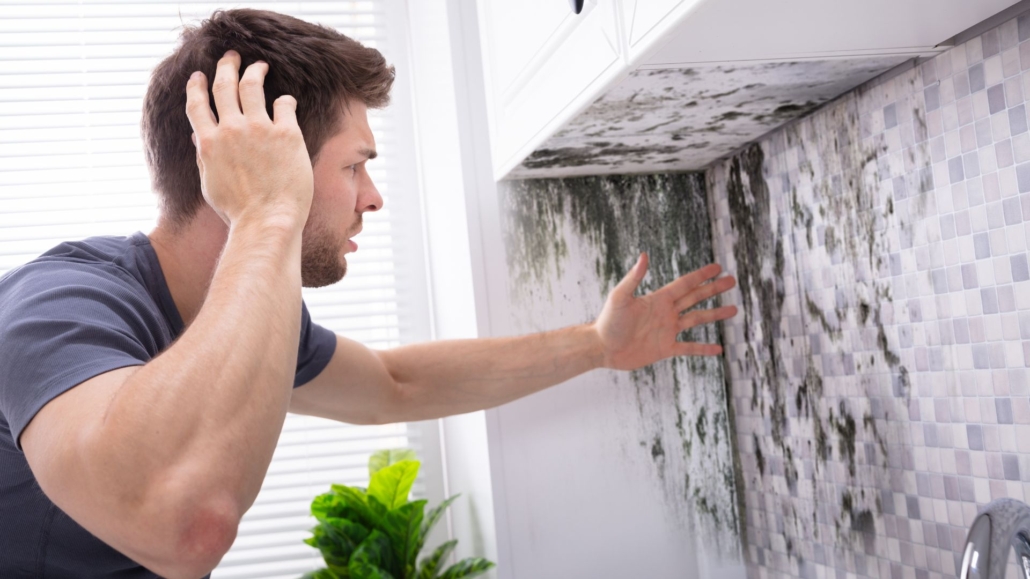
What Is Black Mold and Why Is It Dangerous for Your Home?
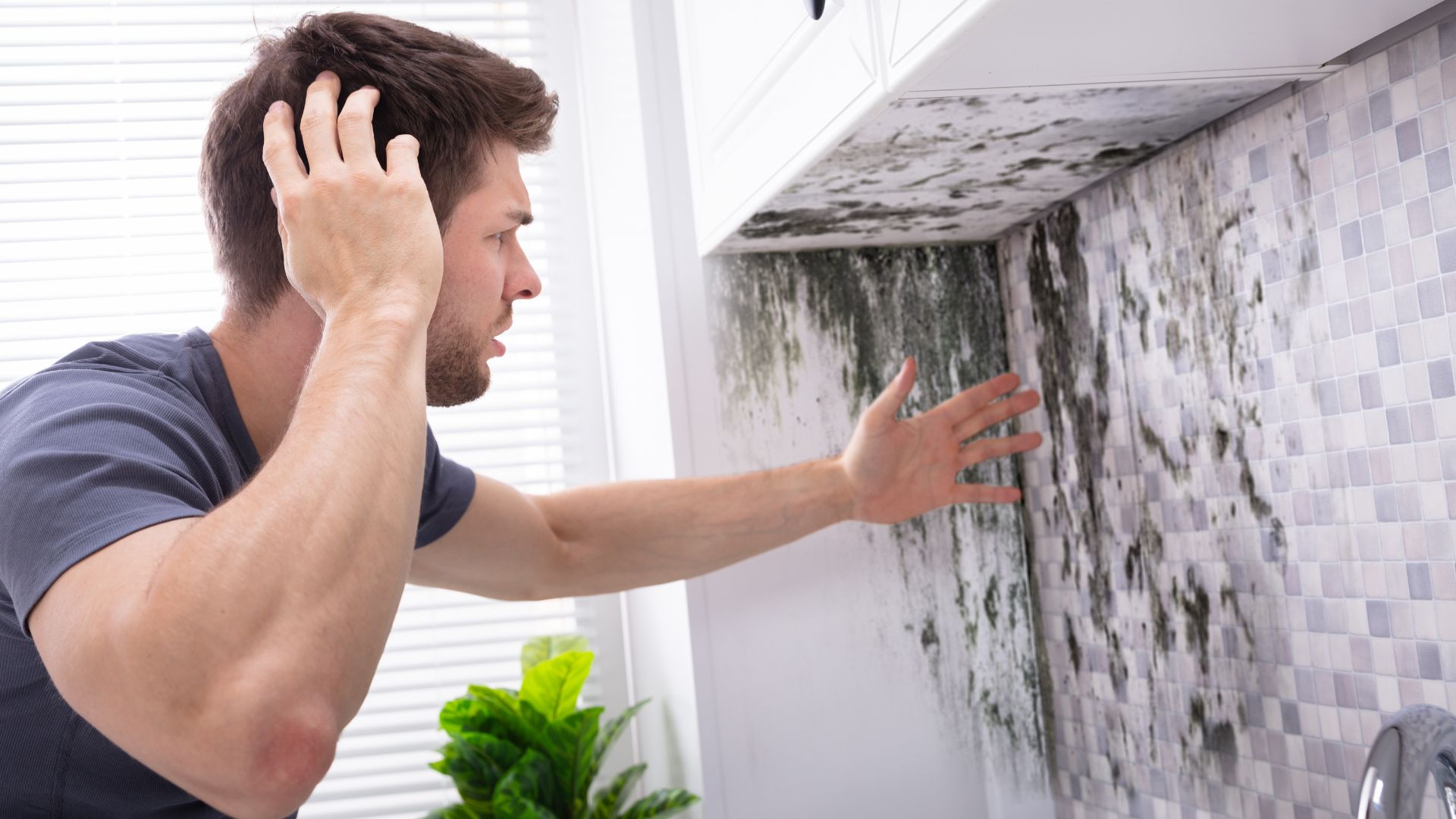
You’ve probably heard someone mention black mold and immediately felt a sense of alarm. But what exactly is it, and should you be worried if you find it growing in your home? Here’s what you actually need to know.
What Is Black Mold?
Mold is a fungus that grows and spreads on materials that contain organic matter. It reproduces through airborne spores and thrives wherever moisture is present. Mold is a type of organism found virtually everywhere in nature, but it becomes a serious problem when it starts growing indoors.
When people talk about black mold, they’re usually referring to Stachybotrys chartarum, a specific species of mold with a dark greenish-black appearance. Mold is often confused with other types of dark-colored mold, so it’s worth understanding that not every dark patch is Stachybotrys. If you want to know what different mold colors mean in your home, that guide breaks it down clearly.
Black mold is a type of fungus that grows on cellulose-rich materials like drywall, wood, ceiling tiles, carpet, and paper. It thrives in damp areas with poor ventilation and high humidity, making areas like bathrooms, basements, and kitchens especially vulnerable.
How Does Black Mold Grow?
Black mold growth typically follows moisture problems. A water leak, flooding, condensation on pipes, or unresolved water damage can create exactly the conditions mold needs. Indoor mold growth accelerates when humidity in your home stays consistently high and ventilation is poor.
Mold grows quickly once it finds a suitable surface and moisture source. Within 24 to 48 hours of water exposure, mold can begin colonizing an affected area. This is why addressing leaks and moisture problems promptly matters so much.
Health Risks of Black Mold
This is where things get important. Black mold can cause a range of health symptoms, and the severity depends on the individual.
Black Mold Symptoms to Watch For
Black mold exposure may cause symptoms that overlap with common allergy symptoms or respiratory illness. Symptoms include:
- Nasal congestion and sneezing
- Coughing and throat irritation
- Itchy eyes and skin irritation
- Wheezing or worsening asthma
- Persistent musty odor in certain rooms
People with mold allergies, asthma, or a weakened immune system tend to react more severely when exposed to mold. Mold can cause your immune system to react as though it’s under attack, triggering an allergic reaction similar to seasonal allergies or asthma flare-ups.
Serious Health Effects
The health risks of black mold go beyond sneezing. Mold can produce mycotoxins, which are toxic chemical substances that may cause more serious health problems with prolonged exposure.
According to the CDC, there is some evidence that black mold has been linked to pulmonary hemorrhage and lung disease in rare cases, particularly in infants and individuals with compromised immune systems.
Black mold may also contribute to fungal infections in people with immunodeficiency, and black mold exposure has been associated with cognitive effects like memory and mood disturbances in some cases. For more detail on the hidden health risks of household mold, that resource goes deeper into what indoor mold can affect beyond the respiratory tract.
Black mold isn’t always immediately life-threatening for healthy adults, but ignoring it is never a good idea.
How to Prevent Black Mold in Your Home
To prevent mold from growing in your home, focus on controlling moisture:
- Fix any water leak promptly, including slow drips under sinks
- Use a dehumidifier in humid spaces like basements and laundry rooms
- Improve ventilation in bathrooms and kitchens
- Clean and dry carpet or materials after any flooding
Prevent black mold by keeping indoor humidity below 60 percent and making sure your heating, ventilation, and air conditioning system is functioning properly. An air purifier with a HEPA filter can also help reduce mold spores in the air.
Should You Test for Black Mold?
Mold test kits from hardware stores can give you a rough idea, but they often miss the bigger picture. Understanding the importance of professional mold testing helps explain why lab-backed sampling and expert assessment give you far more accurate and actionable results.
If mold is covering more than 10 square feet, or if you suspect mold is growing behind walls or under flooring, do not attempt to remove mold with bleach and call it done. Bleach does not penetrate porous surfaces effectively, and disturbing moldy materials can release mold spores into the air throughout your home.
Professional mold remediation involves containing the affected area, removing contaminated materials safely, and verifying the space is clear afterward. Learn what to expect during the mold remediation process so you’re prepared before work begins.
It is also helpful to understand the difference between mold and mildew before assuming the worst, since not every dark spot requires full remediation.
Conclusion
Black mold is a real concern, especially in the humid climate of Central Florida where moisture problems are common. If you notice a musty smell, see discoloration on walls or ceilings, or have had recent water damage, do not wait.
Quality Mold Solutions provides science-backed mold assessment, mold testing, and mold remediation protocols to help you understand exactly what you’re dealing with without the scare tactics. Reach out today for honest answers and a clear path forward.

