
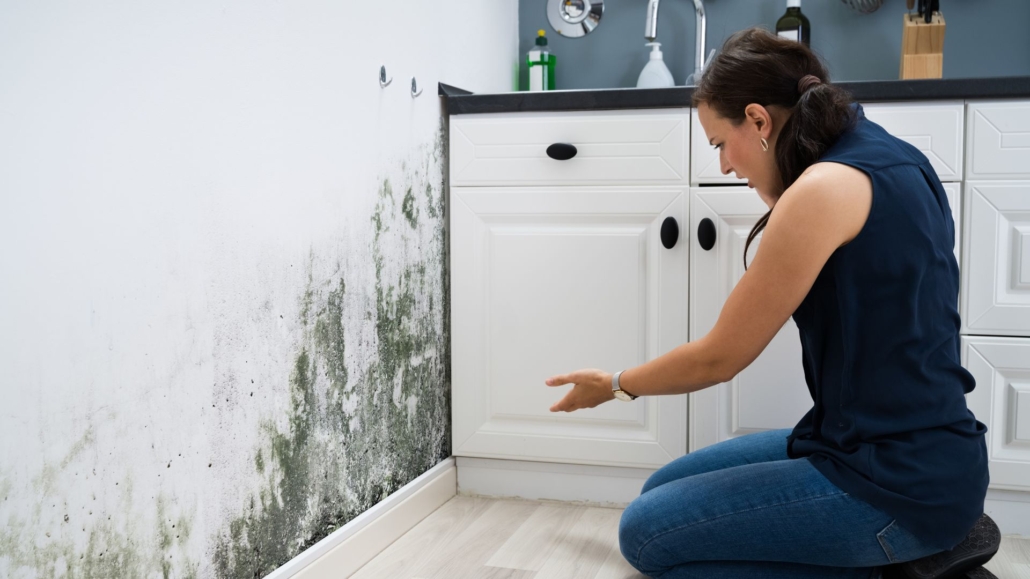
How Long Does It Take For Mold To Grow In Your Home After Water Damage?
If you’ve recently dealt with a leak, a flood, or any kind of moisture problem, you’re probably asking yourself a very important question: how long does it take for mold to grow? The honest answer might surprise you, and it might push you to act faster than you thought you needed to.
Mold is not something that waits around. In the right conditions, it can move quickly, quietly, and in places you can’t easily see.
The Short Answer: Faster Than You Think
Mold can start growing within 24 to 48 hours after water damage occurs. That’s not a scare tactic, that’s just how mold works. Mold spores are already floating through the air around us at all times. They’re invisible, harmless on their own, and practically everywhere. But the moment they land on a wet surface with organic matter to feed on, the clock starts ticking.
So yes, mold can begin establishing itself within 24 to 48 hours after a water damage incident. During this time, early-stage mold growth may develop behind walls, under floors, or inside your HVAC system, often without any visible signs.
What Creates the Perfect Environment for Mold
Understanding why mold grows so fast starts with understanding what mold needs. Mold can grow wherever three things come together: moisture, warmth, and something organic to feed on.
In a home, that means materials like drywall, wood, carpet, insulation, and even curtains can become food sources the moment they get wet. Add in humidity, which is already naturally high throughout Central Florida, and you’ve created nearly perfect conditions for mold to take hold.
Humidity levels above 60% are enough to encourage mold development even without a major leak or flood. That’s why indoor mold is such a persistent issue in this region. If you’re curious about the common causes and types of indoor mold in Florida, it’s worth reading up on how local climate conditions make homes here especially vulnerable.
How Quickly Mold Spreads After Water Damage
Here’s what the timeline typically looks like when water damage has occurred in a home:
- Within the first few hours: Water soaks into porous materials like drywall, carpet, and wood subflooring. Mold spores begin settling on wet surfaces.
- 24-48 hours after water damage: Mold can begin growing. The drying process must begin immediately to have any chance of stopping it.
- 3 to 7 days: Mold colonies start to become visible. Musty odor begins to develop. Affected materials such as drywall and insulation may already be compromised.
- Beyond one week: Mold can spread aggressively. Structural damage becomes a real concern, and mold removal becomes significantly more difficult and costly.
The longer you wait to treat a moisture problem, the worse the mold damage becomes. It’s that straightforward.
Black Mold and Other Types of Mold to Watch For
Not all mold is the same. Some types of mold grow faster than others, and some carry higher health risks. Stachybotrys chartarum, commonly known as black mold, is one of the more serious varieties. It tends to grow on materials with high cellulose content, such as drywall and wood, that have been wet for an extended period.
Other mold types can also cause allergic reactions, affect air quality, and create a persistent musty odor throughout a home. Depending on the mold involved, the health risks and cleanup requirements can vary significantly. You can learn more about mold growth in your home and what different types mean for your living space.
How to Prevent Mold After a Leak or Flood
Acting quickly is the single most effective way to prevent mold growth after water damage. Here are practical steps to take:
- Address any plumbing leak or water intrusion immediately.
- Begin the drying process within the first few hours using fans and airflow.
- Use a dehumidifier to pull excess humidity in the air out of the space.
- Remove and properly dispose of soaked carpet, drywall, or other affected materials if they cannot be dried within 24 to 48 hours.
- Check hidden areas like basements, under sinks, and around air conditioning units for signs of moisture.
- Improve ventilation throughout the home to keep mold from finding wet conditions to settle in.
Understanding how water damage leads to mold growth is key to knowing where to focus your efforts and how urgently you need to act. If you’re seeing signs you need a professional mold inspection, do not delay.
When to Call a Professional
If water damage has already been sitting for more than 24 hours, or if you’re noticing a musty odor, discoloration, or visible mold anywhere in your home, it’s time to stop guessing and get a real assessment.
Professional mold remediation involves more than wiping down a surface. It includes identifying hidden moisture sources, testing air quality, and safely removing affected materials. This process often uses HEPA filtration and containment protocols to prevent mold spores from spreading during cleanup.
Mold removal services from a qualified assessor give you documentation, lab results, and a clear remediation protocol, not just a sales pitch. Quality Mold Solutions uses advanced equipment and proven methods to assess what’s actually happening in your home, without the alarmist approach. Whether you’re dealing with mold growth issues in Florida homes or simply want peace of mind after a water damage event, having an expert evaluate the situation protects both your property and your health.
The longer you wait, the more mold spreads. Mold remediation services are far less invasive and far less expensive when a mold infestation is caught early. Learn how quickly mold can take hold, and you will understand why acting within that first 24 to 48 hour window matters so much.
Conclusion
Mold can begin growing in as little as 24 to 48 hours after water damage. In Central Florida’s warm, humid climate, that timeline can be even shorter. Whether you’re dealing with a recent leak, water damage restoration needs, or a musty odor you can’t explain, do not wait.
Quality Mold Solutions is here to help you understand exactly what’s happening in your home and what to do about it. Reach out today for an honest, science-backed mold assessment you can trust.

