
Black Mold Health Effects: What Symptoms to Watch For and How to Stay Safe
Mold is something most people would rather not think about. But if you’ve noticed a musty odor in your home, experienced unexplained respiratory symptoms, or dealt with water damage, understanding what mold can do to your health isn’t just useful – it’s necessary.
This article breaks down the real health effects of mold exposure, explains what makes black mold a particular concern, and helps you figure out when to take action.
What Is Mold and Why Does It Matter for Your Health?
Mold is a type of fungus that grows in damp, humid environments. It reproduces through tiny mold spores that float through the air and can land on surfaces, where they take hold and grow into visible colonies. The challenge is that mold spores are everywhere – both indoors and outdoors – and they’re completely invisible to the naked eye.
Indoor mold becomes a problem when moisture levels rise inside a building, giving mold the conditions it needs to thrive. Walls, drywall, carpet, wood, and even textiles can all harbor mold if they stay damp long enough. Understanding the health effects of indoor molds is important because many people spend the majority of their time inside, making indoor air quality a direct concern for human health.
Understanding Black Mold and Why It Gets So Much Attention
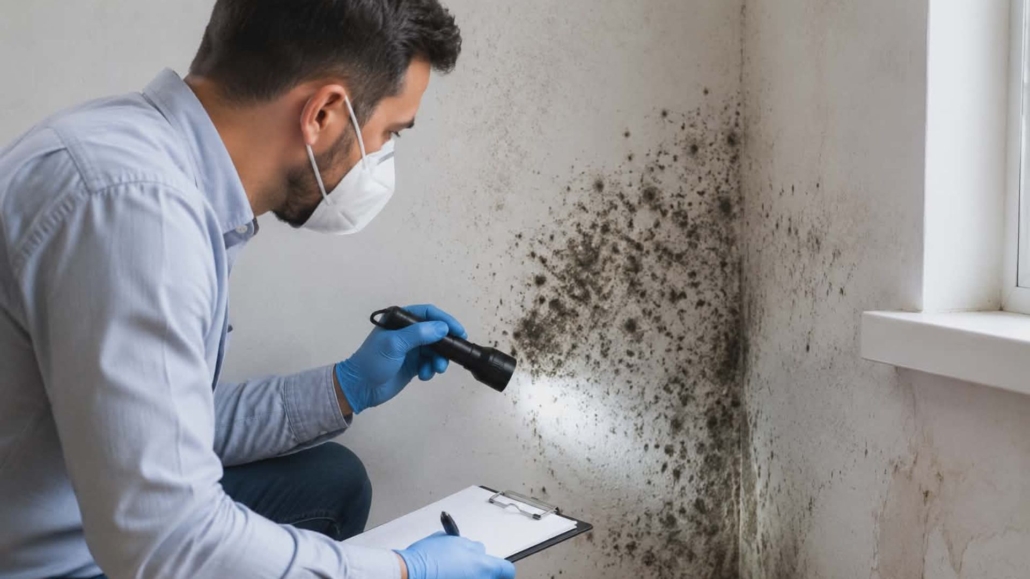
When people talk about black mold, they’re usually referring to Stachybotrys chartarum – a specific species of mold that appears dark green or black and tends to grow in areas with significant moisture, like basements, crawl spaces, or walls affected by flooding or chronic leaks.
Black mold growth produces mycotoxins, which are chemical substances that can trigger adverse health effects in some individuals. Mycotoxin exposure has been associated with a range of symptoms, and while the science is still evolving, there’s enough evidence to take it seriously.
That said, black mold exposure isn’t automatically a death sentence. Reactions vary widely depending on the amount of exposure, individual sensitivity, and how long someone has been in contact with the mold. What matters most is addressing the problem promptly rather than panicking.
The Real Health Effects of Mold Exposure
Mold can affect people differently depending on their immune system, age, and overall health.
Here’s a closer look at what the research and clinical experience tell us about the effects of mold exposure.
Respiratory Symptoms
The respiratory tract is the most common entry point for mold spores. Once inhaled, spores can trigger inflammation, irritation, and immune responses. Common respiratory symptoms include coughing, wheezing, shortness of breath, and nasal congestion. For people with asthma, mold exposure causes asthma symptoms to flare up, sometimes severely.
Prolonged exposure can lead to more serious respiratory disease in vulnerable individuals, including hypersensitivity pneumonitis – a condition where the lungs become inflamed as an immune response to repeated exposure to allergens, including mold. The World Health Organization has identified indoor mold exposure as a significant environmental health concern tied to respiratory illness.
Allergic Reactions
Mold allergies are among the most common effects of mold exposure. When someone with a sensitivity inhales mold spores, their immune system produces immunoglobulin E antibodies, triggering mast cell activity and the release of histamine. This immune response produces classic allergy symptoms like sneezing, a runny nose, watery eyes, and skin irritation.
If you’re dealing with recurring allergy symptoms at home, you may want to review the common symptoms of mold allergies to understand whether mold is a likely trigger.
Neurological and Cognitive Symptoms
This is where the topic of toxic mold syndrome comes up. Some individuals exposed to high mold levels and mycotoxins report symptoms like fatigue, memory difficulties, brain fog, and mood changes. While toxic mold syndrome is a contested diagnosis in mainstream medicine, the symptoms reported by affected individuals are real and worth taking seriously.
Chronic exposure to certain fungal environments may cause health problems that extend beyond the lungs and sinuses. If symptoms vary and seem hard to explain, mold contamination is worth investigating.
Serious Health Issues in Vulnerable Groups
Mold can cause more serious health issues in specific populations. Infants, elderly individuals, people with immunodeficiency, and those with pre-existing lung conditions face elevated health risks. In rare cases, fungal infection can develop in the lungs or respiratory tract, especially in immunocompromised individuals. This type of mold infection rarely causes problems in healthy adults, but causes serious concern for those with compromised immune systems.
For a deeper look at what may be lurking in your living spaces, the hidden dangers of mold in your home are worth reading.
How to Identify Mold in Your Home
Knowing how to identify mold early is one of the best ways to protect your health. Mold often shows up as discoloration on walls, ceilings, or floors – but not always. Sometimes mold is growing inside walls, under carpet, or in a crawl space long before it becomes visible.
Signs of mold to watch for include:
- Visible dark, fuzzy, or discolored patches on surfaces
- A persistent musty smell, especially in bathrooms, basements, or near plumbing
- Warped, stained, or bubbling drywall or wood
- Recent water damage, flooding, or a plumbing leak that wasn’t dried quickly
Mold thrives in areas with poor ventilation and elevated humidity. If your home has had any moisture issues – even ones you think were resolved – mold may have already taken hold.
Understanding how water damage leads to mold growth can help you recognize warning signs before they turn into a full-scale mold problem.
What to Do If You Suspect Black Mold in Your Home
If you believe black mold or another type of mold in your home is causing symptoms, don’t wait for the problem to resolve on its own. Black mold can cause ongoing exposure as long as it remains present, and the longer the mold is growing unchecked, the harder and more expensive it becomes to address.
Here’s a practical approach:
- Don’t disturb visible mold – Scrubbing or using bleach to remove the mold can release mold spores into the air and spread contamination.
- Address moisture first – Mold needs moisture to survive. Fix the source of the leak or humidity before any mold removal begins.
- Get professional mold testing – Mold testing by a qualified assessor can identify what species of mold is present, how elevated mold levels are, and whether the indoor environment poses a health risk.
- Follow a proper mold remediation plan – Mold remediation should follow a written protocol to ensure the problem is fully resolved, not just temporarily concealed.
- Verify the work is done – Post-remediation verification confirms that mold contamination has been successfully addressed before you move back into affected areas.
If you’re unsure whether your situation warrants professional help, check these signs that you need a professional mold inspection.
Preventing Mold Growth Before It Starts
Preventing mold growth is far easier than removing it after the fact. The key is controlling moisture, since mold grows wherever damp conditions persist.
Using a dehumidifier in humid areas like basements and bathrooms helps keep humidity in check. An air purifier with a HEPA filter can help reduce airborne spore levels, though it won’t address the source. Fixing plumbing leaks promptly, ensuring proper ventilation, and inspecting your home after any flood or water intrusion are all effective strategies.
Different species of mold develop under different conditions, but controlling moisture universally reduces the risk. For a broader look at why this matters, understanding why indoor air quality matters provides helpful context on how mold affects the air you breathe every day.
When Symptoms Point to Mold Exposure
Mold exposure can cause symptoms that mimic seasonal allergies, colds, or even anxiety. If your symptoms seem to improve when you leave home and return when you’re back inside, that’s a meaningful pattern. Mold symptoms that are chronic, unexplained, or linked to a specific building should always be evaluated.
Keep in mind that exposure to mold doesn’t always mean you’ll get sick, but repeated exposure over time increases the likelihood that your body will react. A medical doctor can evaluate your symptoms, and a qualified mold assessor can determine whether mold levels in your environment are contributing to your health concerns.
Conclusion
Black mold and other kinds of mold pose real health risks, especially when exposure goes unaddressed. Whether you’re dealing with mold symptoms, unexplained respiratory issues, or simply want peace of mind after water damage, the right response is to gather information from qualified professionals. Quality Mold Solutions brings science-backed expertise and honest guidance to every assessment. If you suspect a mold problem in your Central Florida home or business, reach out today and take the first step toward a healthier indoor environment.

