
How to Read a Mold Inspection Report and Spot Serious Problems Fast
You finally got your mold inspection done. The report is sitting in your inbox, and it looks like a science textbook. It lists numbers, species names, lab charts, and terminology you’ve never seen before. You’re not alone if you feel lost.
Understanding your mold inspection report doesn’t require a degree in microbiology. What it requires is knowing what to look for, what the numbers actually mean, and when something genuinely warrants concern. This guide walks you through exactly that.
What Is a Mold Inspection Report and What Does It Include?
A mold inspection report is a formal document produced after an inspector evaluates your property for signs of mold, moisture, or conditions that support mold growth. A thorough, detailed mold inspection report typically includes photos, moisture readings, lab results from any samples collected, and written recommendations.
Think of it as a health record for your building. It captures what was found, where it was found, and what should happen next. Some reports are simple. Others are comprehensive mold assessments with multiple pages of data. The depth depends on what was tested and how many samples were taken.
Understanding the Difference Between Visual Findings and Lab Results
Before you interpret any numbers, it helps to understand that a mold inspection often has two components: a visual inspection and laboratory analysis of samples.
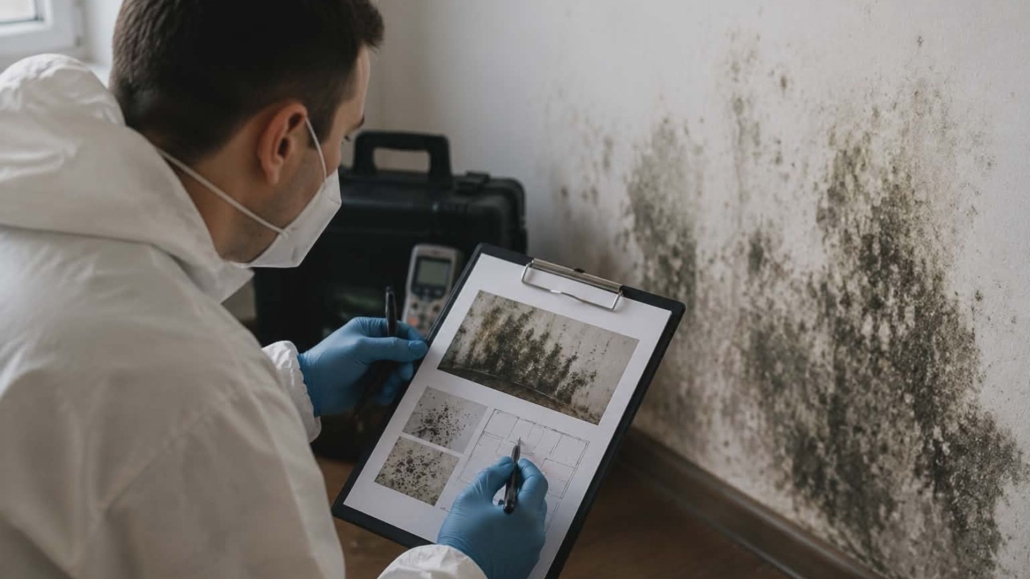
During the visual inspection, the inspector looks for visible mold growth, water stains, moisture intrusion, damaged drywall, discolored wood, and musty odors. This part of the report tells you what the inspector physically observed. It may reference areas like the attic, bathroom, basement, or behind walls where humidity tends to accumulate.
Lab results come from the samples collected during the visit. These might include air samples, surface samples, or bulk samples from building materials like carpet or insulation. Each sample provided to the lab gets analyzed and returned with a breakdown of mold species and spore counts.
How to Read Mold Test Results from Air Samples
Air samples are among the most common mold test methods. An air sample test works by drawing a measured volume of air through a collection device that captures airborne mold spores. The lab then counts the number of mold spores captured and identifies the type of mold spore present.
Your mold test results from air samples will typically show spore levels expressed as mold spores per cubic meter of air. So when you see a number like 500 spores per cubic meter, that means 500 mold spores were detected in one cubic meter of air from that sample location.
Indoor vs. Outdoor Sample Comparison
Here’s the critical part most people miss: mold spores exist naturally outdoors. The goal of indoor air quality testing isn’t to find zero spores – it’s to compare indoor and outdoor mold levels to identify whether there’s an indoor mold problem.
Your report should include at least one outdoor mold sample collected on the same day. This gives a baseline. If your indoor sample shows significantly higher mold concentrations than the outdoor mold levels, or if the types of mold present indoors don’t match what’s found outside, that’s a red flag.
For example, Cladosporium is a very common outdoor mold. Finding it at moderate indoor levels is often unremarkable. But finding elevated Stachybotrys chartarum – what many people call black mold – indoors is serious, because this fungus thrives on wet cellulose materials like drywall and paper and is rarely found in outdoor air.
How to Interpret Mold Species in Your Report
One of the more confusing parts of a mold report is the list of species. There are many different types of mold, and your lab results will identify each type of mold spore that was counted in the sample.
Some common mold types you’ll likely see include:
- Penicillium/Aspergillus – These mold types are grouped together because their spores look similar under a microscope. They’re found in dust and on building materials. Elevated indoor levels can indicate moisture problems and may produce mycotoxins in certain conditions.
- Cladosporium – A very common mold found both indoors and outdoors. Often less alarming unless levels are dramatically elevated indoors.
- Stachybotrys – Slow-growing and linked to chronic water damage. This fungus grows on cellulose-rich materials. Its presence signals a serious and likely long-standing moisture issue.
- Chaetomium – Often found on water-damaged drywall and paper. Its presence is a strong indicator of past or active indoor mold growth from moisture intrusion.
- Basidiospores – Spores from fungi in the Basidiomycota group, which includes wood-decay fungi. Elevated levels can suggest structural wood decay.
Knowing the types of mold present helps you identify the types of mold related to water damage versus those simply drifting in from outside.
What Spore Levels Are Considered High?
There are no universal mold standards set by a single regulatory body, a point that frustrates many homeowners. The EPA has published information on mold and guidance on mold remediation in schools and commercial buildings, but does not set specific numerical limits for acceptable indoor mold spore levels.
Instead, inspectors use professional judgment, industry references, and the indoor-to-outdoor comparison to interpret mold sample results. Mold count alone doesn’t tell the full story. A total mold count of 5,000 spores per cubic meter might be fine if your outdoor levels are 12,000 that day. The same number might be alarming if your outdoor count is 200.
What matters most is the severity of your mold situation based on the species identified, the ratio of indoor to outdoor levels, and whether visible mold or water damage is also present in the property.
Spotting Red Flags in Your Inspection Report
Knowing what to look for can help you quickly identify whether your report is pointing to a serious problem. Watch for these warning signs:
- Indoor mold spores in the air are significantly higher than outdoor mold spore levels
- Presence of Stachybotrys or Chaetomium, which indicates prolonged moisture exposure
- Mold species indoors that are not detected in the outdoor sample
- Moisture readings above 16% in wood or drywall were noted during the visual inspection
- Multiple sample locations showing elevated mold, not just one isolated area
- Visible mold found in areas tied to HVAC systems, since airborne mold spores can spread throughout a building via ventilation
If your report flags any of these, it’s time to take it seriously. The effects of mold exposure can range from allergy symptoms and respiratory disease to more serious health concerns, especially with prolonged exposure to indoor mold.
When Professional Mold Testing and Assessment Are Needed
If you notice a musty smell, experience water damage, or are buying or selling a property, professional mold testing is a smart step. Review the signs that indicate you need a professional mold inspection to determine whether your situation warrants a closer look.
It’s also worth understanding the difference between professional mold testing and DIY methods, particularly if you’re considering an at-home mold kit before committing to a full inspection. Professional mold testing delivers lab-analyzed samples with qualified interpretation, not just a color change on a Petri dish.
After any mold remediation work is completed, don’t skip the follow-up. Understanding the post-remediation mold testing process ensures that the work actually resolved the mold contamination and that indoor air quality has returned to acceptable levels.
How Quality Mold Solutions Helps You Make Sense of It All
At Quality Mold Solutions, every inspection is conducted by a licensed mold assessor with a background in microbiological sciences. Clients receive clear reports with photos, moisture data, lab results, and plain-language recommendations – not just raw numbers to figure out on their own.
Whether you’re dealing with suspected mold after a leak, preparing for a real estate transaction, or looking for mold resources to better understand your indoor environment, the goal is always the same: give you accurate information so you can make a confident decision.
Conclusion
Reading a mold inspection report doesn’t have to feel overwhelming. Focus on the indoor-to-outdoor sample comparison, pay attention to which mold species were identified, and look for visible signs of moisture alongside the lab data. If something in your report looks concerning, don’t guess.
Reach out to a certified mold professional who can walk you through what the results mean for your home and what steps to take next. Quality Mold Solutions is here to help Central Florida homeowners and property owners get clear, honest answers fast.

