
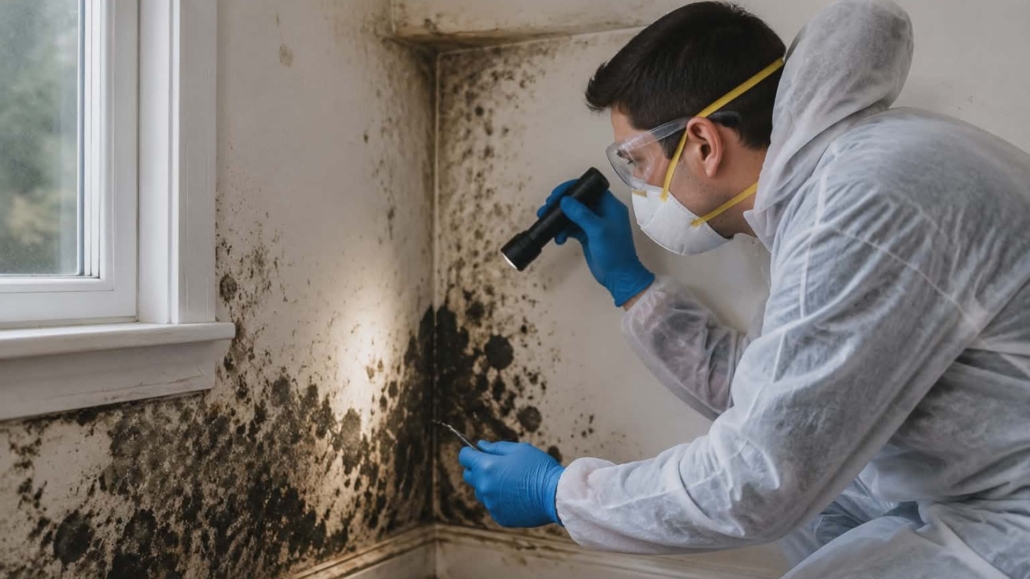
Different Types of Household Mold and How to Spot Them in Your Home
Mold is a common problem in homes across Central Florida, and if you have ever noticed a strange smell, a dark spot on your ceiling, or discoloration near a window, you already know how unsettling it can be. The good news is that understanding what you are dealing with is the first step toward addressing it.
This guide breaks down the different types of mold you might encounter in your home, what they look like, where they tend to grow, and why some are more concerning than others.
What Is Household Mold, Exactly?
Mold is a type of fungus that reproduces through spores. Those spores are everywhere, floating through indoor and outdoor air alike. The problem begins when mold spores land on a damp surface with organic matter to feed on, because at that point, they settle in and start to grow.
Moisture and mold go hand in hand. Leaky pipes, poor ventilation, condensation around windows, water damage, and even high humidity can all create the conditions mold needs to thrive. In a humid climate like Central Florida, the conditions are often ideal for indoor mold growth year-round.
It helps to understand that there are many types of mold, and not all of them look or behave the same way. Some are merely an eyesore, while certain types of mold can produce mycotoxins that pose real health risks.
Common Types of Mold Found in Homes
There are thousands of mold species in the natural environment, but a much smaller group shows up regularly indoors. Here are the common mold types you are most likely to encounter as a homeowner.
Cladosporium
Cladosporium is one of the most common types of mold found in both indoor and outdoor environments. It tends to appear in shades of olive green, brown, or black, and it has a powdery or suede-like texture.
You will often find this mold type on wood, carpet, upholstery, drywall, and inside HVAC ducts. It is also one of the common outdoor molds that easily makes its way inside. Unlike some other mold species, Cladosporium can grow in cooler temperatures, which makes it particularly persistent.
For people who are allergic to mold or have asthma, Cladosporium is a known allergen that can trigger sneezing, nasal congestion, and respiratory irritation.
Penicillium
Penicillium is a blue or green mold that spreads quickly and tends to grow on water-damaged materials like wallpaper, carpet, drywall, and insulation. You might recognize the name from the antibiotic derived from related species, but the kind of mold growing in your home is a different story.
This allergenic mold can produce mycotoxins under certain conditions. Mold exposure from Penicillium has been linked to inflammation of the lungs, sinusitis, and allergic rhinitis. If you notice a fast-spreading blue-green growth after a water leak or flood, Penicillium is a strong candidate.
Penicillium expansum is one specific species known for causing issues with food and organic materials, though many related species colonize building materials just as readily.
Aspergillus
Aspergillus is a genus with many species, and it is one of the most common mold types found indoors. Mold can appear in a wide range of colors – white, yellow, green, brown, and black – depending on the specific species.
Most healthy people can be exposed to mold spores from Aspergillus without incident, but for those with weakened immune systems, lung conditions, or immunodeficiency, this mold can cause serious infections. Aspergillus is associated with conditions like bronchitis, pneumonitis, and, in severe cases, respiratory tract infection that requires medical attention.
This is one of several mold types that demonstrate why mold identification matters beyond appearance.
Alternaria
Alternaria is a dark green or brown mold with a velvety texture. It is one of the most widespread allergenic mold types and is frequently found in showers, bathtubs, under sinks, and around windows where condensation builds up.
It is also one of the common outdoor molds that sneaks inside, particularly during rainy seasons. Exposure to mold from Alternaria commonly triggers allergy symptoms like a runny nose, watery eyes, cough, and skin irritation. People with mold allergies or asthma tend to react most strongly to this species.
Stachybotrys chartarum
This is the mold that most people refer to when they say “black mold.” Stachybotrys chartarum is a dark, slimy mold that requires extremely wet conditions to grow, making it common in areas with persistent water damage or chronic moisture problems.
Stachybotrys is considered a toxigenic mold because it can produce mycotoxins. The health risks associated with this type of mold are more serious than most, and include fatigue, coughing, throat irritation, and, in prolonged cases, neurological symptoms. It is worth noting that while toxic mold like Stachybotrys gets a lot of media attention, any mold growing indoors deserves your attention, not just this one.
If you want to understand more about different mold colors and what they mean, that resource can help you make sense of what you are seeing before you call anyone.
Trichoderma
Trichoderma is a white or green mold commonly found on wet wood, paper, and textiles. It tends to appear in areas with poor drainage or where wood has been exposed to water repeatedly.
While it is not as widely discussed, Trichoderma can cause health problems for people with
compromised immune systems and has been associated with infections in rare cases.
It also produces enzymes that break down organic matter, which means it can cause dry rot and structural damage over time.
Where Hidden Mold Likes to Hide
One of the most frustrating realities of mold in the home is that much of it is not visible until the problem is already significant. Hidden mold often grows inside walls, behind wallpaper, beneath flooring, inside HVAC ducts, and above ceiling tiles.
Signs of mold are not always visual. A musty odor that does not go away, unexplained allergy symptoms, worsening asthma, or a history of water damage are all reasons to check for mold even when you cannot see it. If you are curious about the fuller picture, reading about the hidden health risks of mold in your home is a worthwhile starting point.
Understanding Mold Categories: Allergenic, Pathogenic, and Toxigenic
Beyond individual species, it helps to understand the three broad categories that describe how different kinds of mold affect human health.
- Allergenic mold is the most common type. This category includes Cladosporium, Alternaria, and Penicillium. These molds primarily cause issues for people who are allergic to mold or have respiratory sensitivities. Symptoms often resemble hay fever, including sneezing, rhinorrhea, and itchy eyes.
- Pathogenic mold can cause infections, especially in people with weakened immune systems. Some Aspergillus species fall into this category. Pathogenic molds are associated with conditions like histoplasmosis (linked to Histoplasma capsulatum and soil or guano exposure), cryptococcosis from Cryptococcus neoformans, and mucormycosis.
- Toxigenic mold produces toxins called mycotoxins that can be harmful even to otherwise healthy people. Stachybotrys chartarum falls here. Long-term mold exposure to toxigenic species has been connected to immune system suppression, lung damage, and other systemic health problems.
What Are the Health Risks of Mold Exposure?
Mold can cause a range of health issues depending on the mold type, the level of exposure, and the individual’s overall health. For most people, short-term exposure causes symptoms like a cough, nasal congestion, skin rash, eye irritation, and a sore throat.
For children, the elderly, pregnant women, or anyone with asthma, mold allergies, or immunodeficiency, mold exposure can lead to more serious health problems, including dermatitis, sinusitis, bronchitis, and in rare cases, meningitis or more severe lung disease.
Understanding the difference between occasional exposure and ongoing contamination matters.
A single bathroom spot is very different from hidden mold growing behind your drywall for months. To understand the full scope, reviewing information on the common causes and types of indoor mold in Florida can help frame the issue in a local context.
How to Identify the Type of Mold in Your Home
Mold identification by sight alone has real limits. Color, texture, and location are clues, but they are not conclusive. Many mold species look similar, and mold can appear in different colors depending on its growth stage and the surface it is on.
To determine what type of mold you are dealing with, laboratory testing is the most reliable method. A professional mold inspection involves collecting air samples, surface samples, or both, and sending them to an accredited lab for analysis.
DIY mold testing kits exist, but they have significant limitations. Mold testing kits can detect the presence of mold spores, but they often cannot accurately identify the species, quantify the level of contamination, or locate the source. This makes it harder to know how serious the problem really is or what remediation steps are actually needed.
For anyone dealing with visible mold growth, a musty odor, or a known moisture problem, a professional mold inspection provides far more useful information than a store-bought test. You might also want to understand the difference between mold and mildew before assuming what you are looking at.
When to Call a Professional for Mold
Not every spot of mold requires an emergency call, but there are situations where calling a certified mold professional is the right move.
You should consider professional help if the mold covers a significant area, if you cannot find the source, if mold keeps coming back after you clean up the mold, if you or someone in your home is experiencing unexplained health symptoms, or if you have had recent water damage. A professional mold inspection and remediation process gives you a clearer picture and a path forward.
Trying to remove mold with DIY methods can sometimes spread spores and worsen the problem if not done correctly. Expert mold assessment is especially important in situations where mold issues involve HVAC systems, porous materials like drywall or wood, or areas behind walls.
After professional mold remediation, post-remediation sampling for mold confirms that the cleanup was successful and that indoor air quality has been restored to a safe level. Prevention must go hand in hand with removal – removing mold without fixing the cause simply restarts the cycle. Help prevent mold from returning by addressing the underlying moisture source, because preventing mold long-term means controlling humidity and fixing leaks promptly.
Conclusion
Mold is a common issue in Central Florida homes, and knowing the different types of mold you might encounter gives you a real advantage. From allergenic varieties like Alternaria and Cladosporium to more serious toxigenic types like Stachybotrys, each mold type tells a different story. If you suspect a mold problem, do not wait for it to grow larger. Quality Mold Solutions is here to help you test for mold accurately, understand your results, and take the right next steps with confidence and clarity.

