Home / Mold Assessment / Moisture Mapping & Thermal Imaging
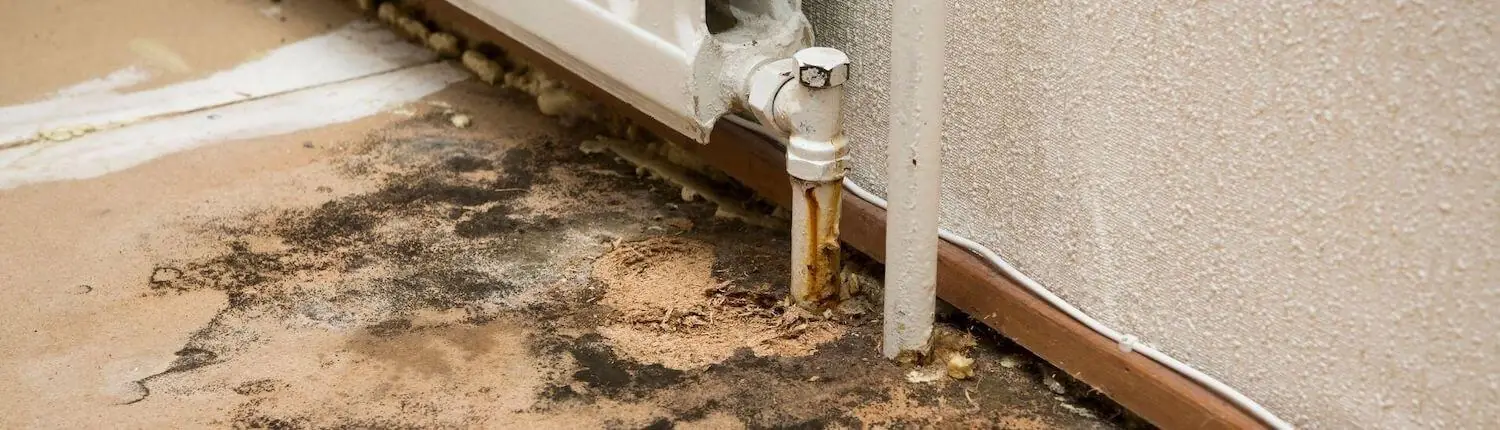
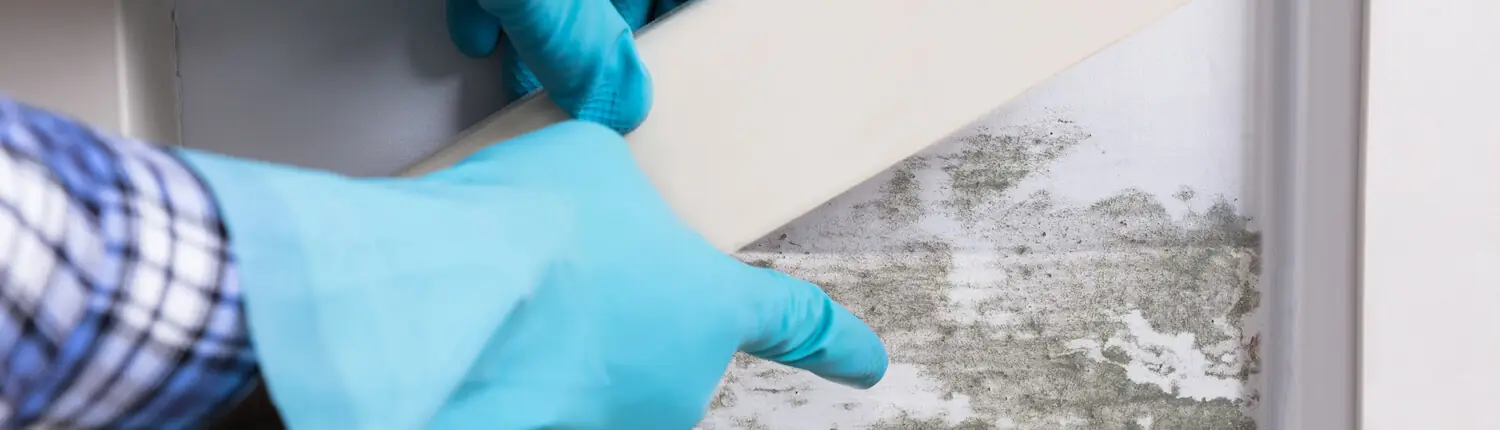
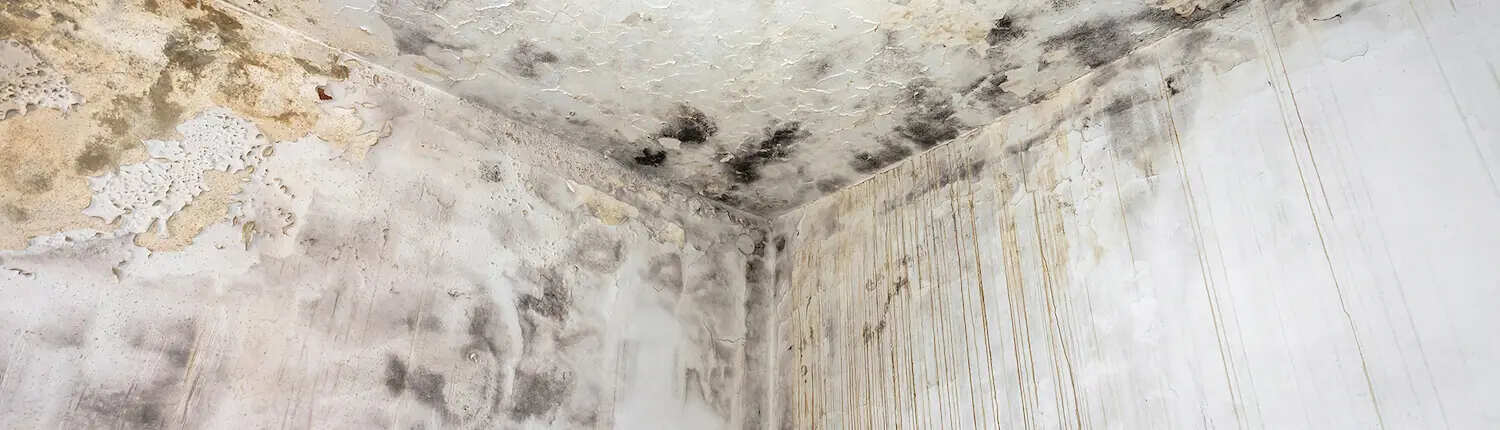
Mold needs moisture. Moisture mapping and thermal imaging trace leaks and damp areas behind walls, ceilings and floors, so the source is found before mold spreads, and without opening walls to look.
Finding Moisture You Cannot See
Moisture mapping
We measure moisture content with both invasive and non-invasive moisture meters to see where the water spread and how wet materials are now. A building material at or above 20% moisture content that has stayed wet longer than 24-48 hours has a high potential for mold.
Thermal imaging
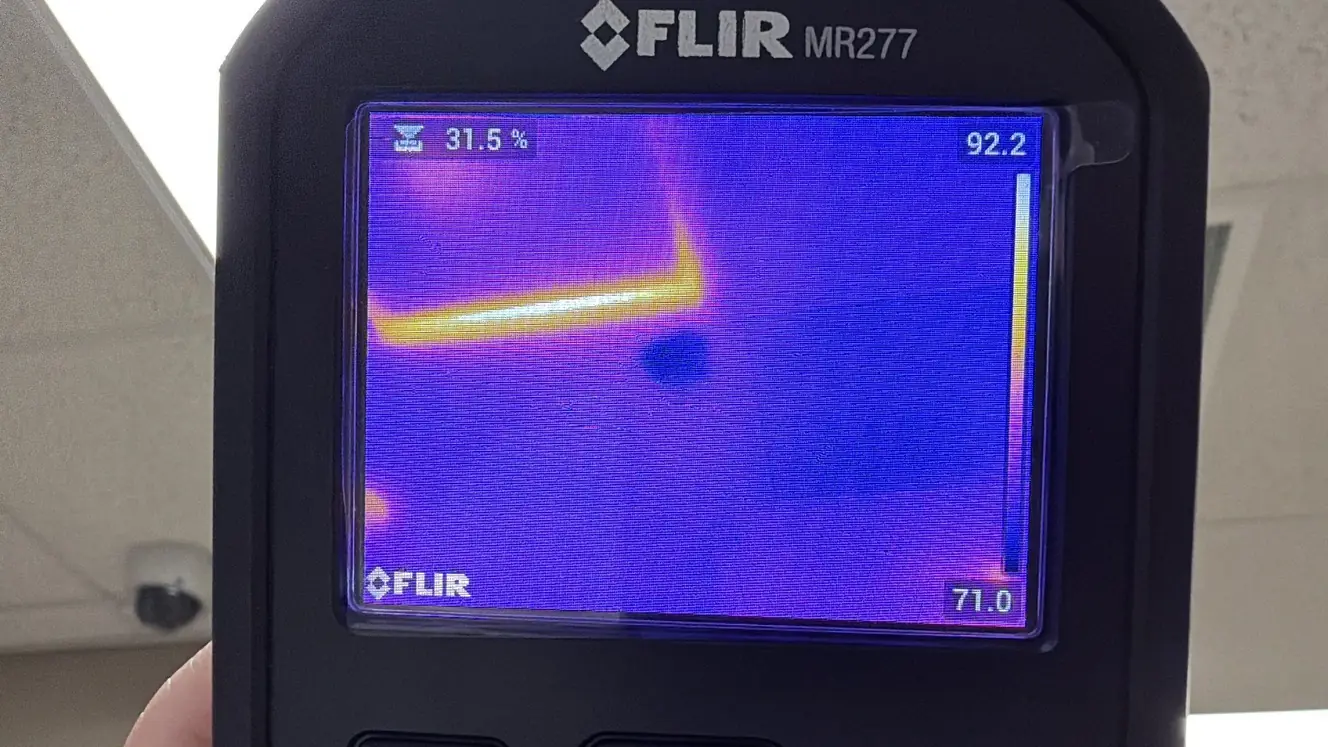
Thermal imaging (infrared, or IR) shows temperature differences that the eye cannot. Damp materials read cooler, so the camera points us to moisture problems, and it also shows missing insulation.
Both are part of every mold assessment, and they are the core of a water damage mold inspection.